
Yala National Park
Sri Lanka's oldest national park, where dry-zone scrub, coastal lagoons, granite outcrops and leopard country meet. The land here is shaped by the same red earth and monsoon that season the wood.
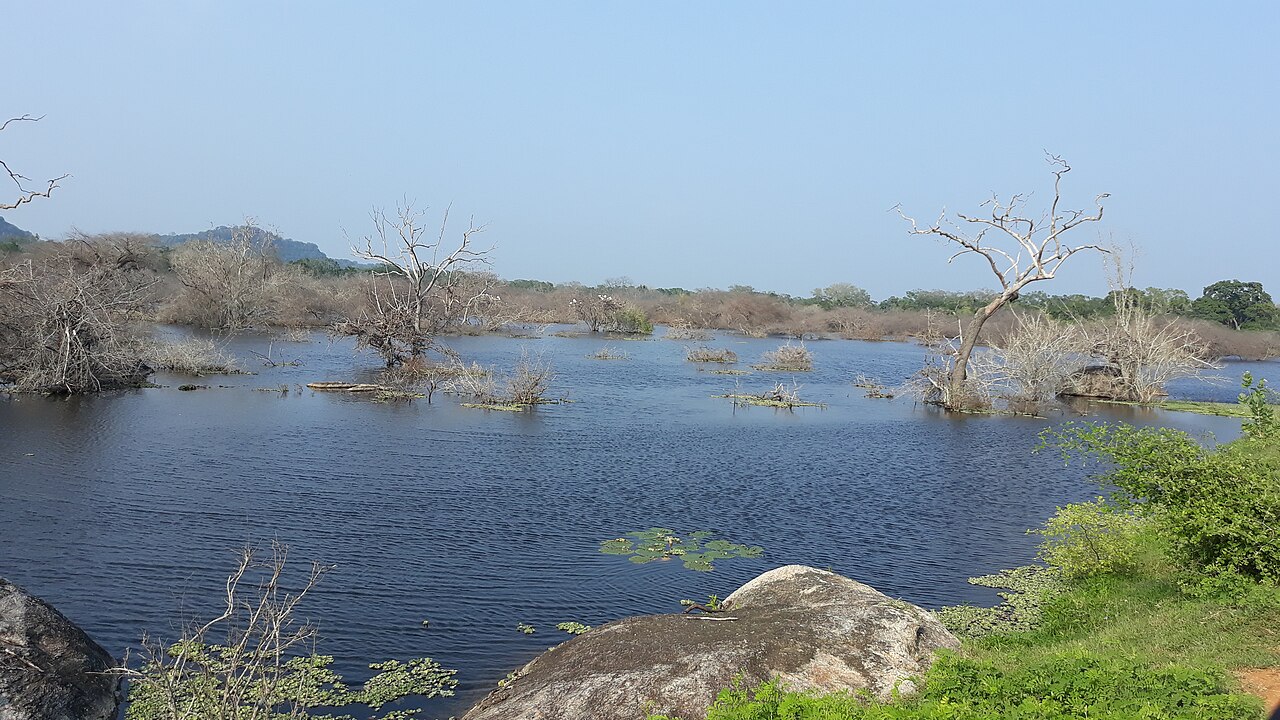
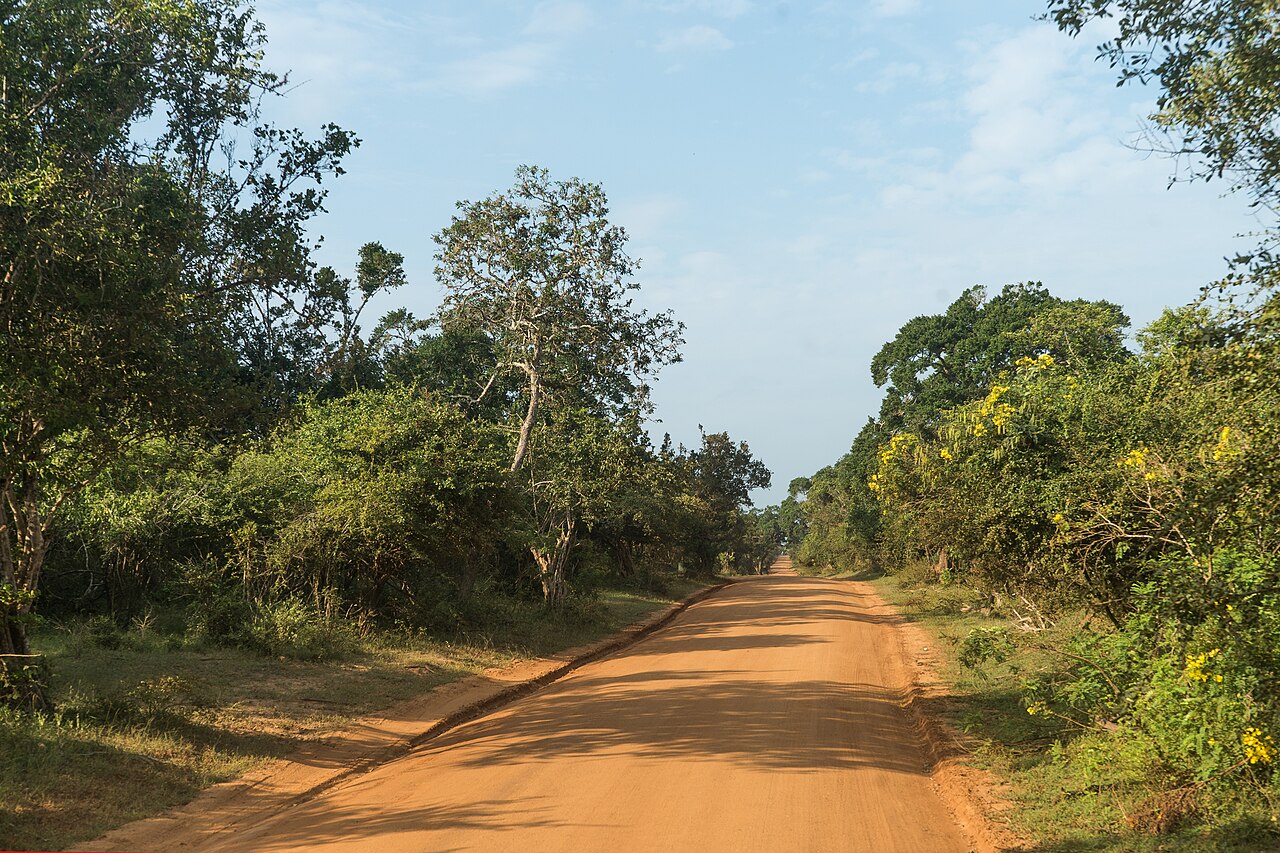
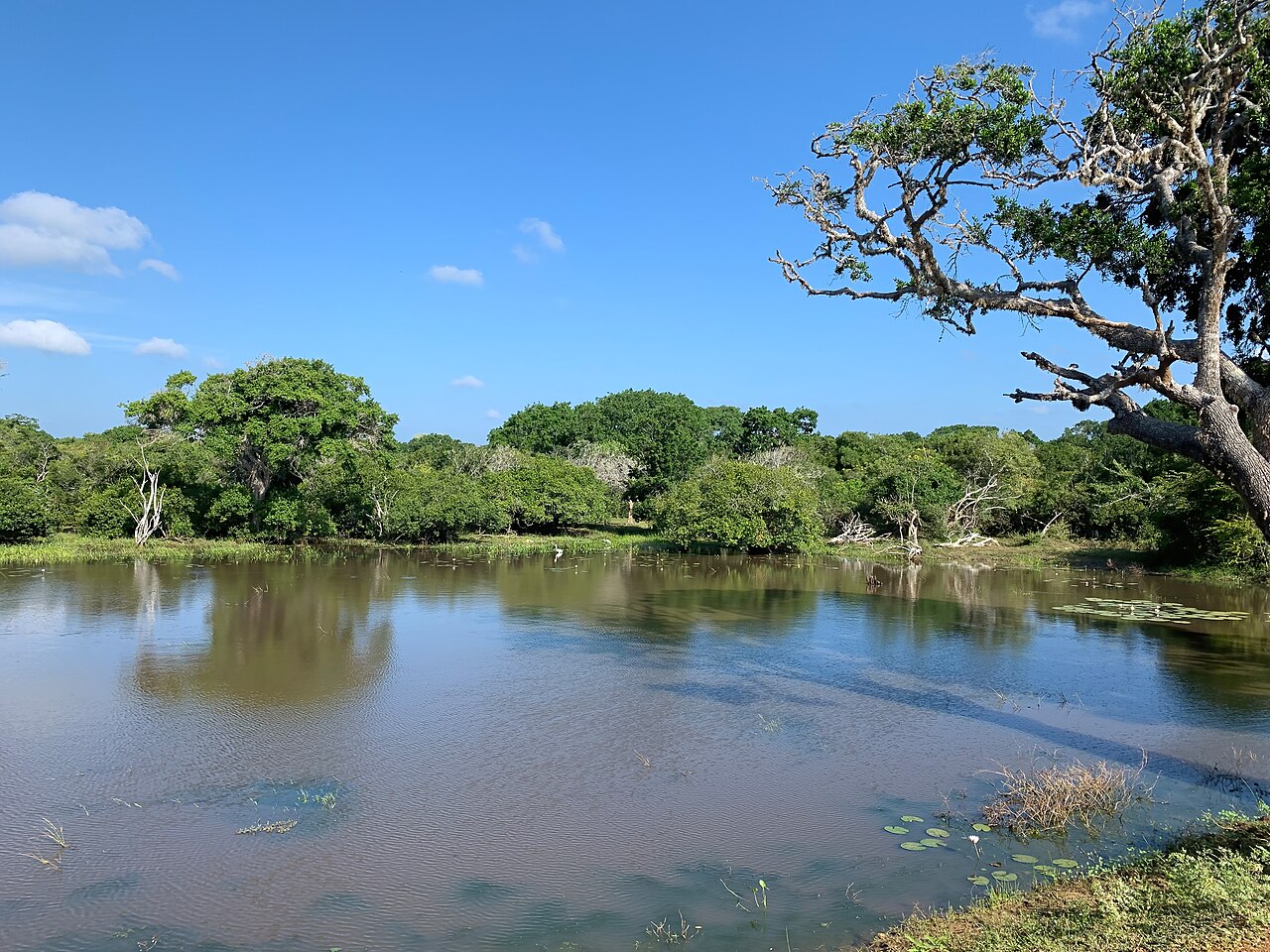
Hand-carved wooden jewellery from a small workshop in Hambantota, on Sri Lanka's southern coast. Bangles, rings, pendants and necklaces — each piece shaped from a single section of teak or mahogany, and finished to sit warmly on the skin.
See the jewellery
Every pendant, every bangle, is shaped and finished by one artisan. No two are identical — the grain decides.
Teak and mahogany from government-regulated forests in Sri Lanka's Southern and Central provinces. Harvested by the tree, not by the hectare.
Skin-safe natural oils, hand-buffed. Light on the neck, warm on the wrist. Designed to be worn every day, not saved for occasions.
Sri Lanka has cultivated a woodworking tradition for centuries. Its climate coaxes teak, mahogany and ebony into some of the finest hardwoods in the world — dense, patient, patterned by the seasons.
Skilled artisans still work these woods by hand, using techniques passed between generations: relief carving, intarsia, inlay. The results are prized far beyond the island — figurines, masks, boxes, instruments, jewellery. The pieces we love most are the everyday ones. The pendant that catches the light on your walk to work. The bangle you forget you are wearing. The chain that becomes the shape of your neck over years.
Waaeco was founded by Wasantha Waduge — born and still based in Hambantota, on Sri Lanka's southern coast. Wasantha runs a small workshop in the same district, working with local artisans. The collection grows deliberately: hand-carved bangles, rings, pendants and necklaces, each made well, honestly, and made to last on the skin of a wearer.
Born and raised in Hambantota, on Sri Lanka's southern coast. Grew up in a family that knew hardship well, and built Waaeco piece by piece — with the same patience the wood asks of its makers.
Wasantha runs the workshop, chooses the wood, works with the artisans, and speaks for the pieces that leave Sri Lanka. Every order that arrives at your door has passed through his hands, in one way or another. If you have a question — about a piece, a custom order, a shipment, or the craft itself — write to him directly.
— Wasantha, from the workshop
“A wooden pendant should feel warmer than the collarbone it rests on. A wooden bangle should feel warmer than the wrist it circles.”
— From the workshop, HambantotaEvery piece begins as a rough section of teak or mahogany, allowed to dry naturally for months. The artisan reads the grain before the first cut — the pattern in the wood decides how the piece will be shaped.
From there, the piece is carved, drilled, sanded through progressively finer grits, and finished with a skin-safe natural oil. The whole process is unhurried. A single pendant can take the better part of a day. A bangle, sometimes longer, because a single-section turn has no room for a second attempt.
The teak will deepen. The copper on the chain will take on a soft patina where it touches the skin. Small marks will accumulate. The piece you buy today will not look identical in a year — and it shouldn't. That is the object earning its place, on the shape of a wearer.
The workshop sits in Hambantota district, where dry-zone red earth, ancient granite, and two thousand years of history meet. These five places are part of the same landscape that grows the wood we carve.
Sri Lanka's oldest national park, where dry-zone scrub, coastal lagoons, granite outcrops and leopard country meet. The land here is shaped by the same red earth and monsoon that season the wood.
An ancient pilgrimage town held sacred by Buddhists, Hindus, Muslims and Veddas. The shrine to Kanda-Murugan has drawn travellers from across the island for centuries.
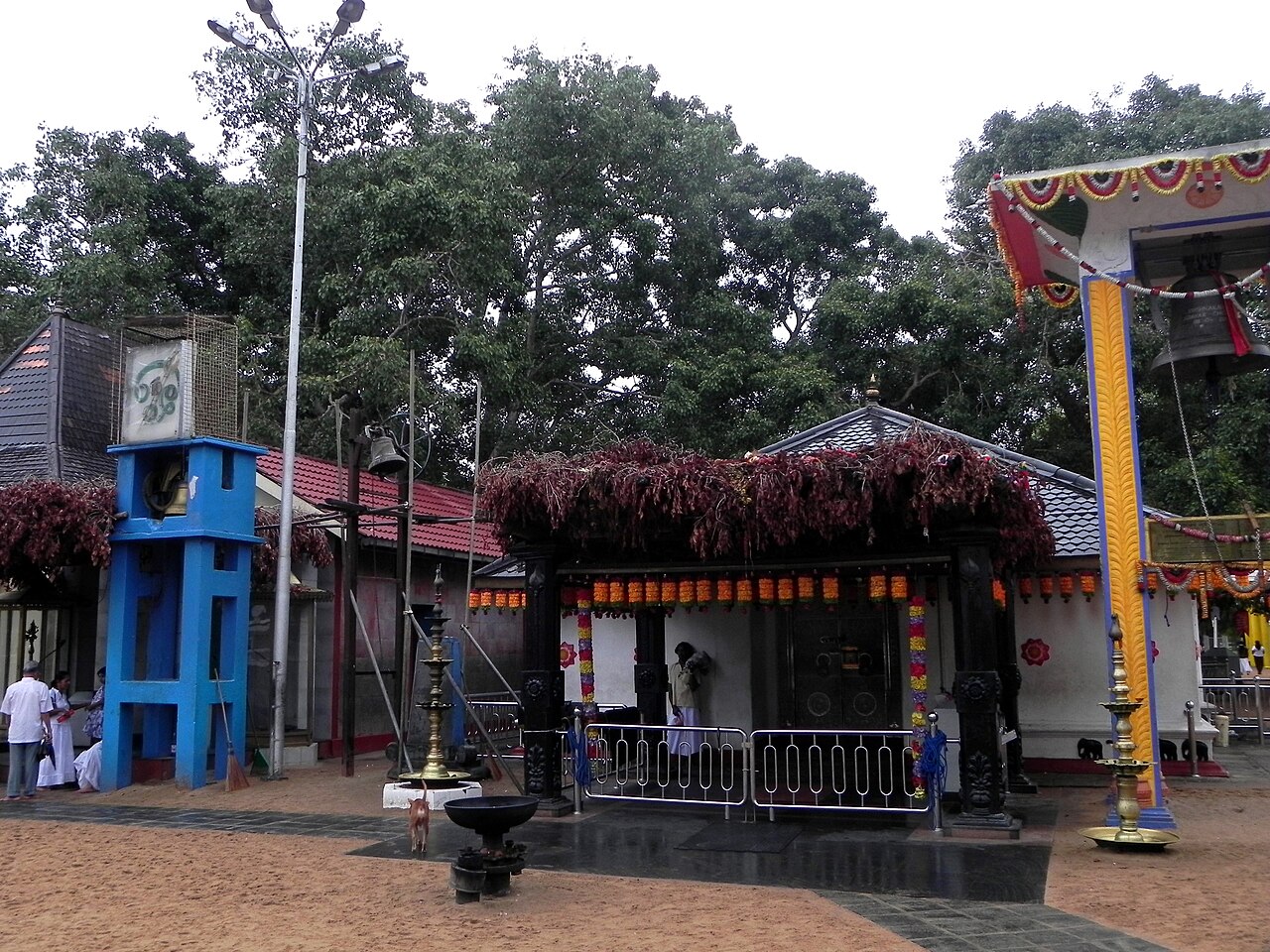
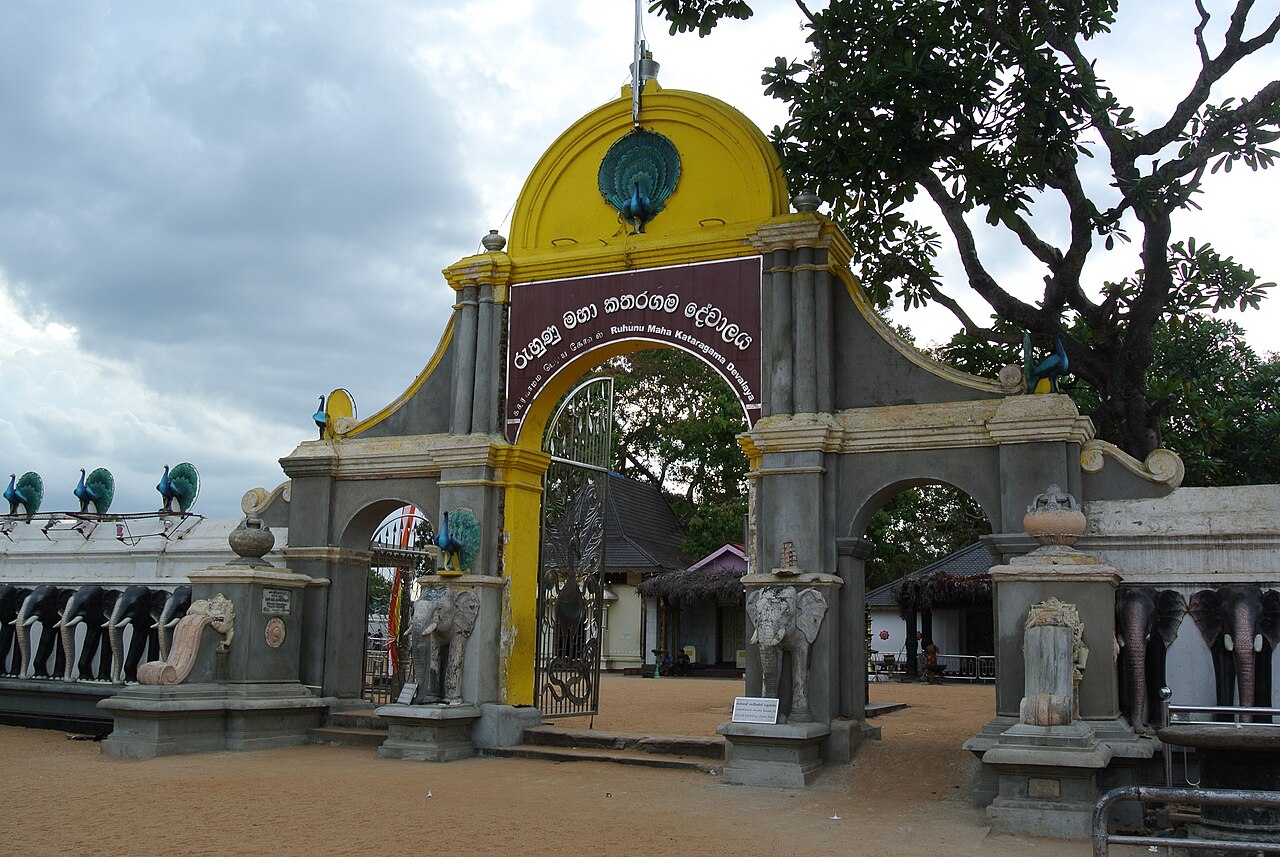
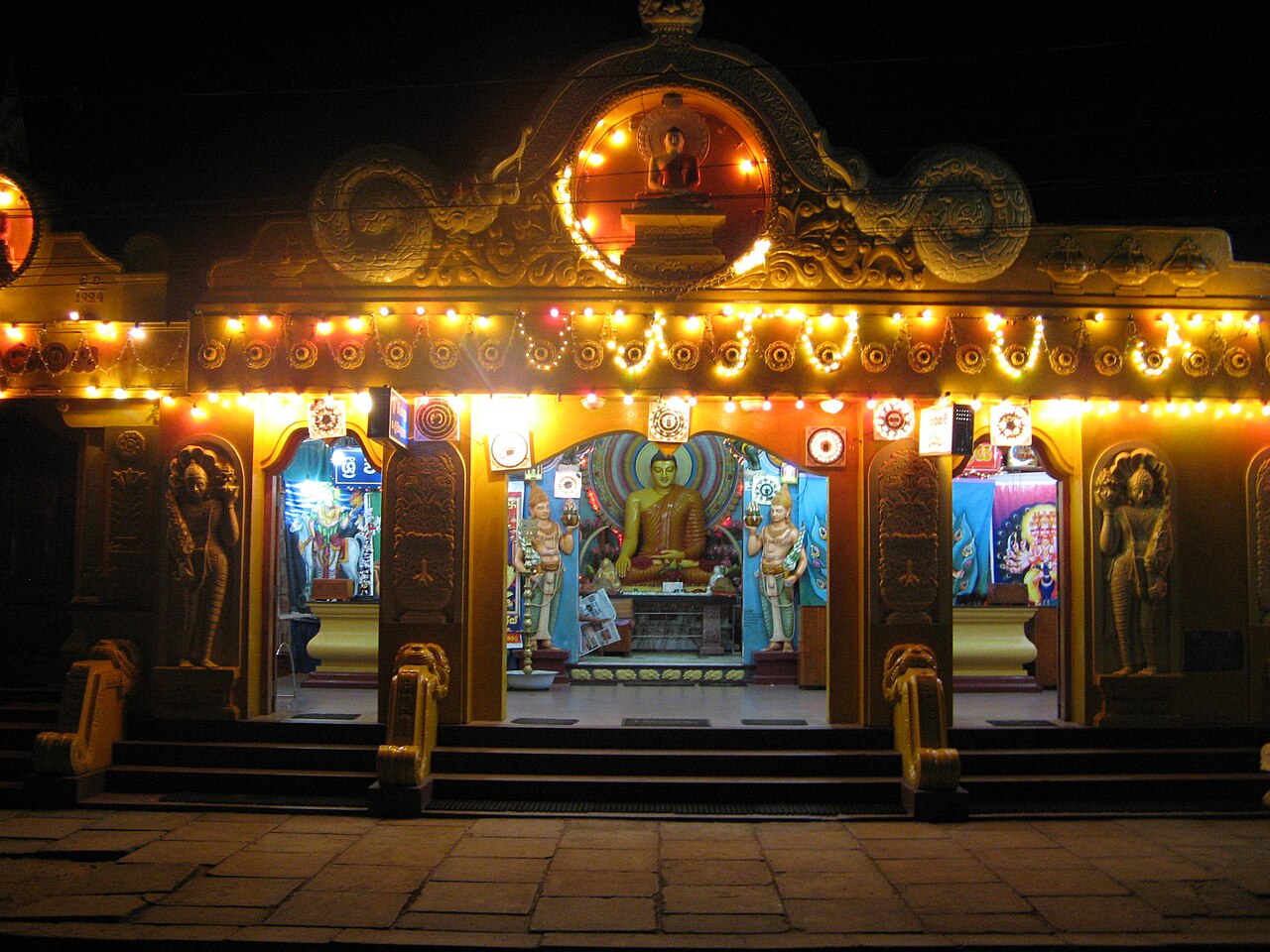
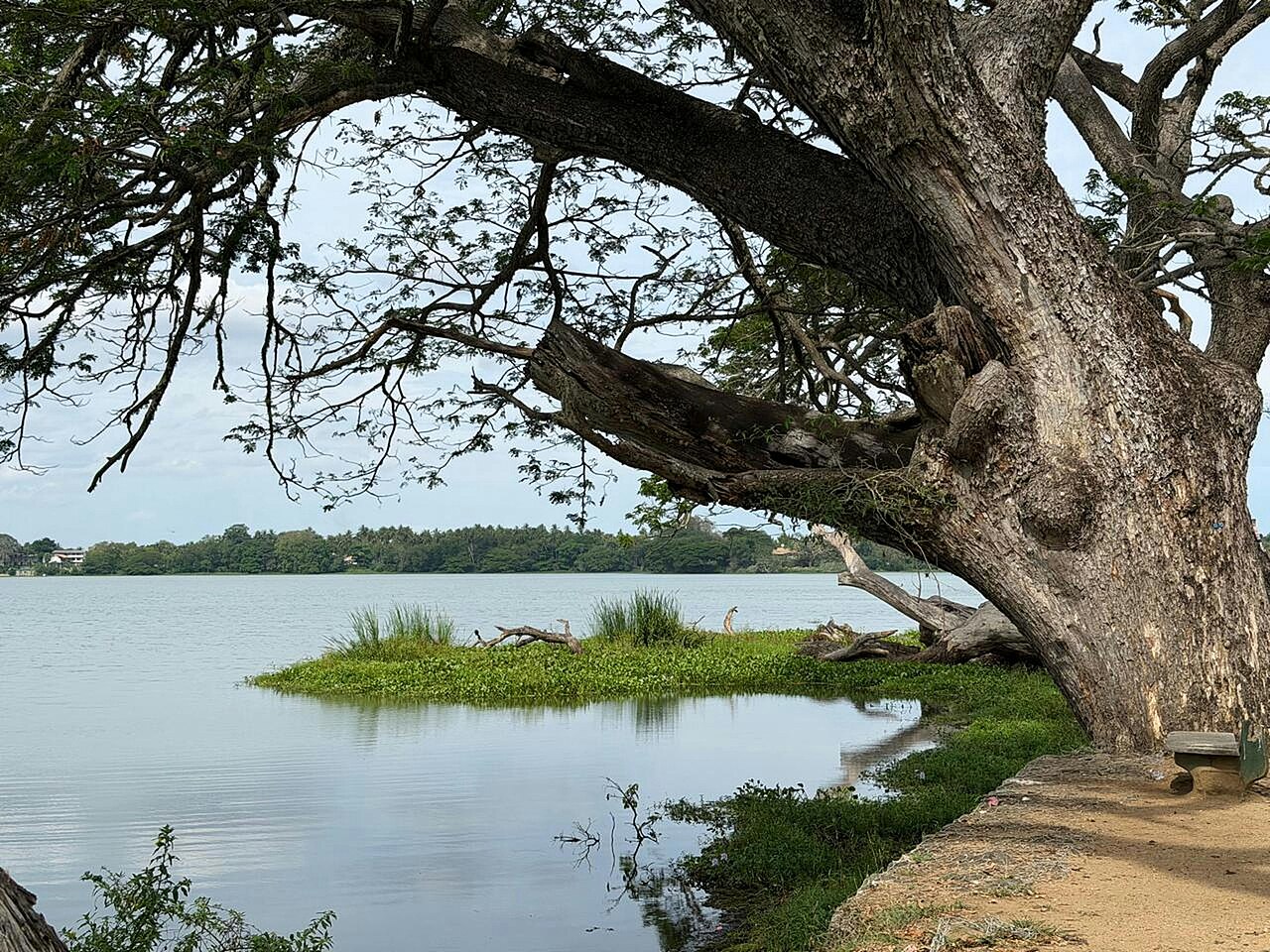
A city of reservoirs and stupas founded in the 3rd century BCE. The Tissa Wewa tank and Yatala Vehera stupa still command the flat, red-soil plains of the deep south.
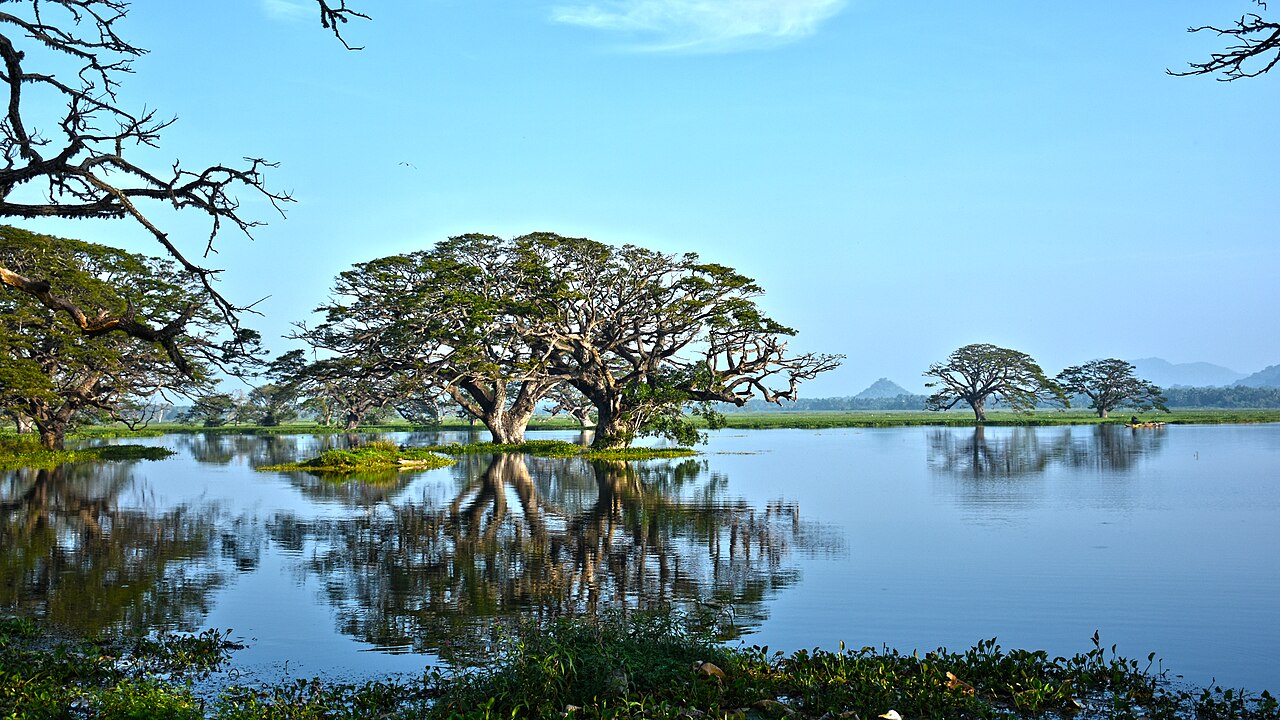
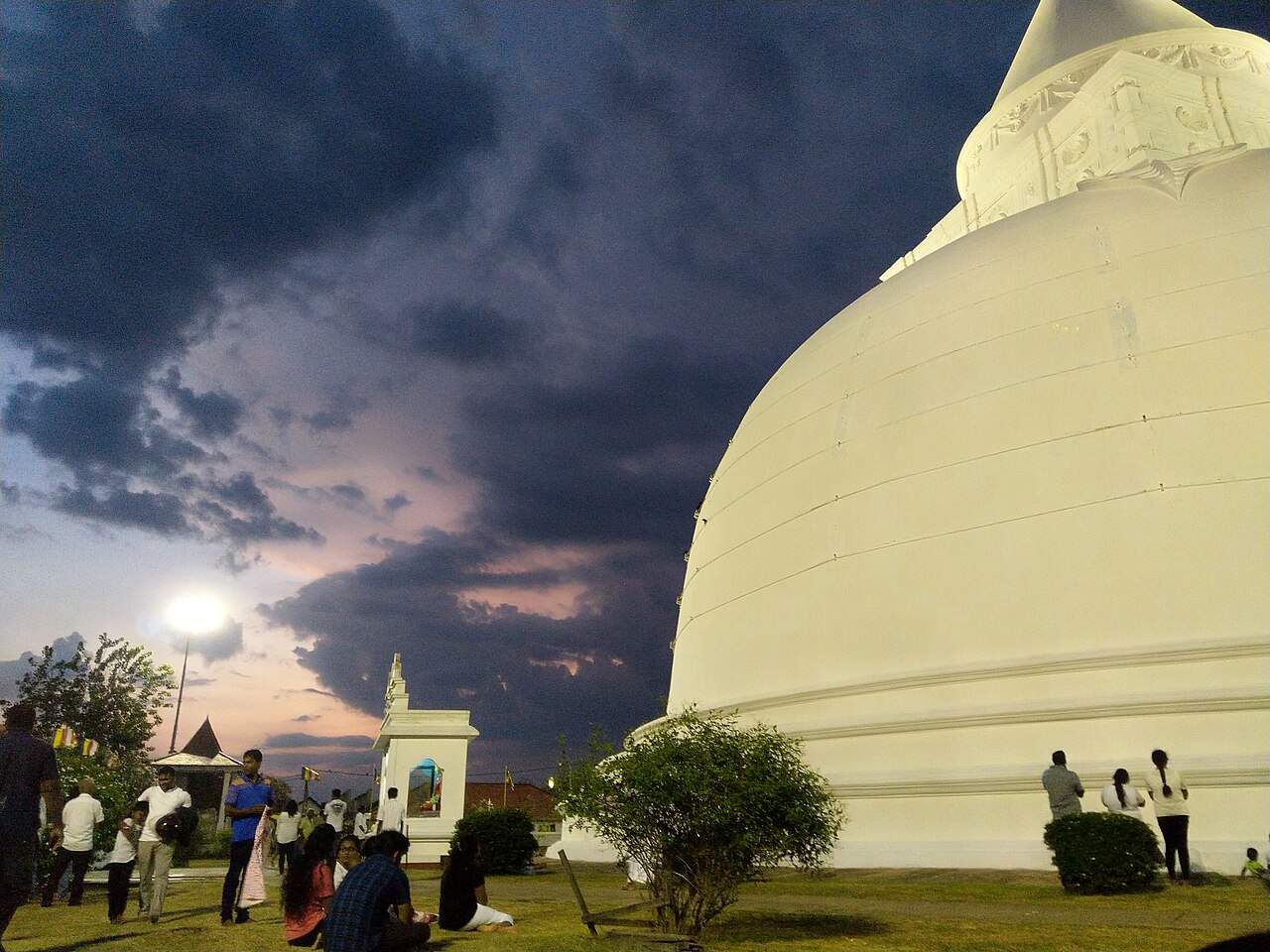
A cliff monastery rising 205 metres above the coconut groves, with cave temples and inscriptions cut into Precambrian rock. One of the oldest image-houses in the south.
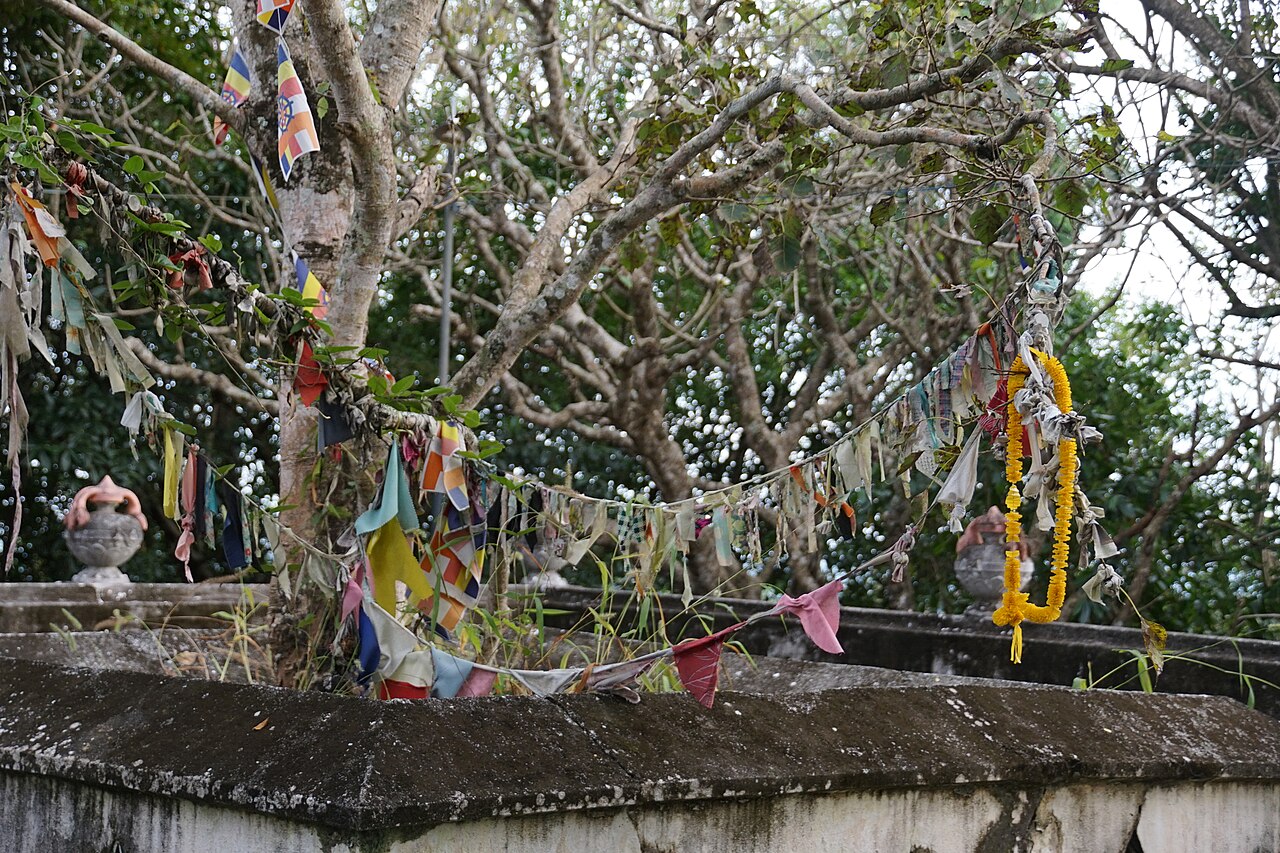
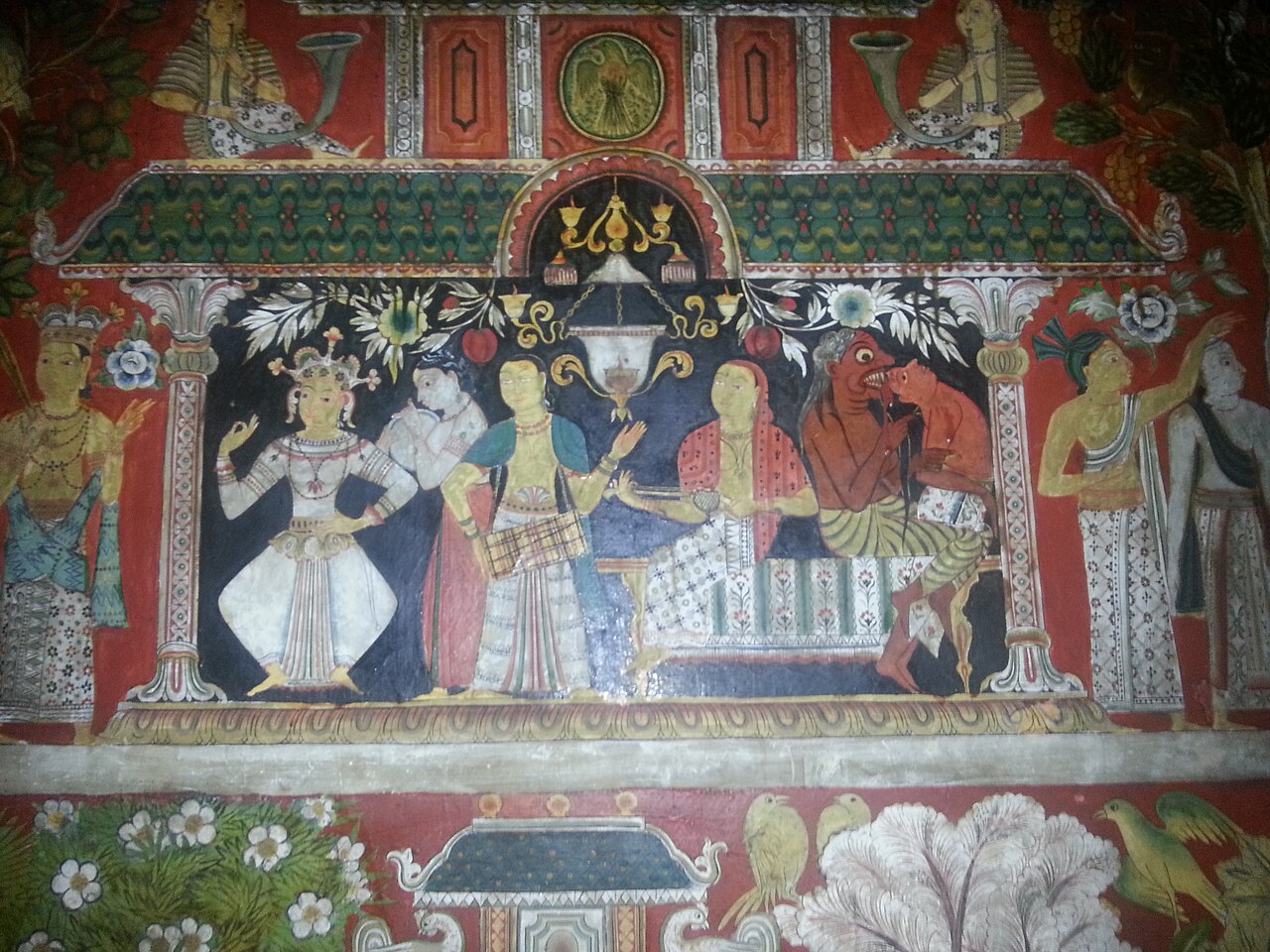
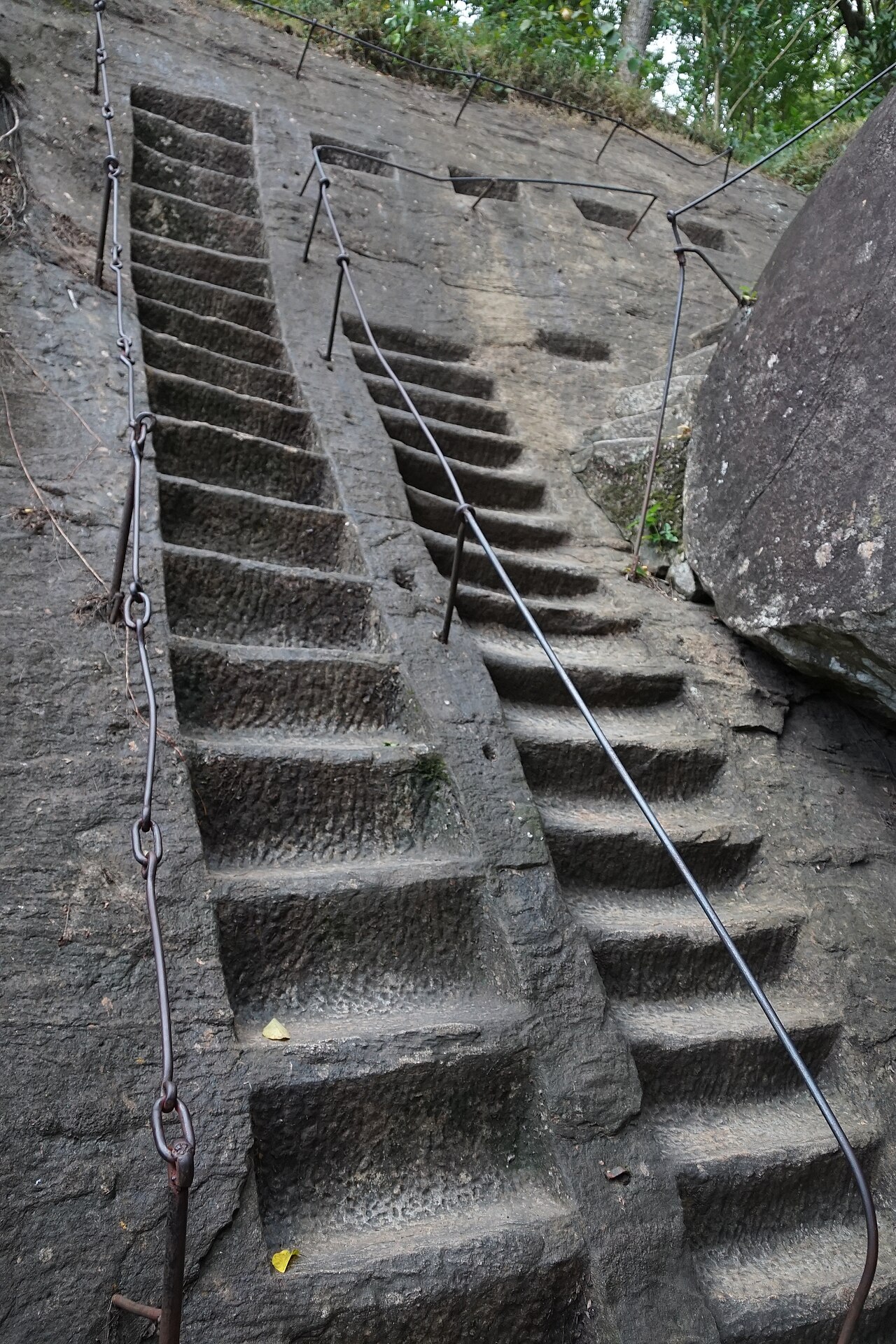
A forest monastery founded in the 2nd century BCE, inside what is now Yala National Park. Monks carved living cells into granite, surrounded by scrub and leopard country.
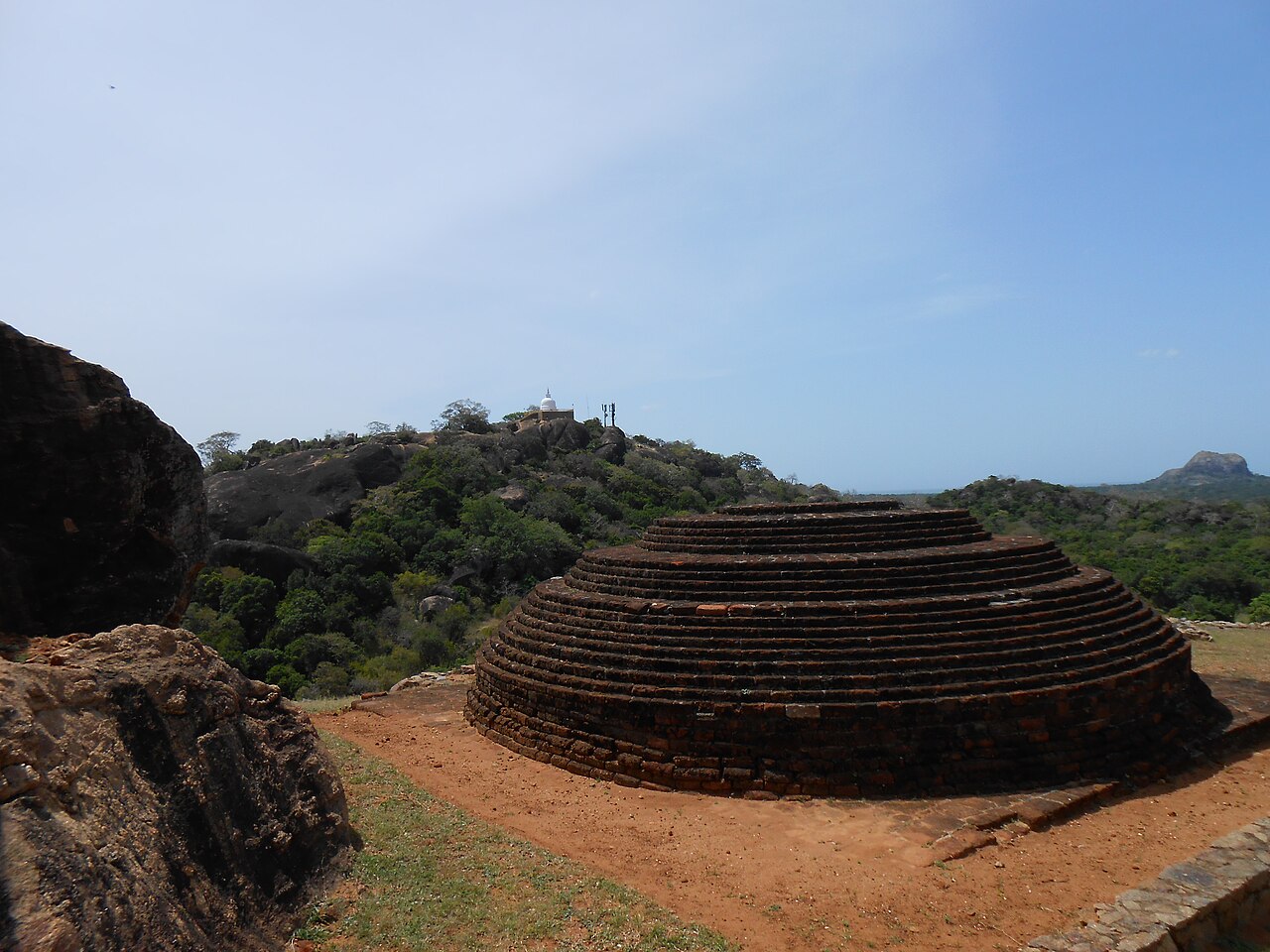
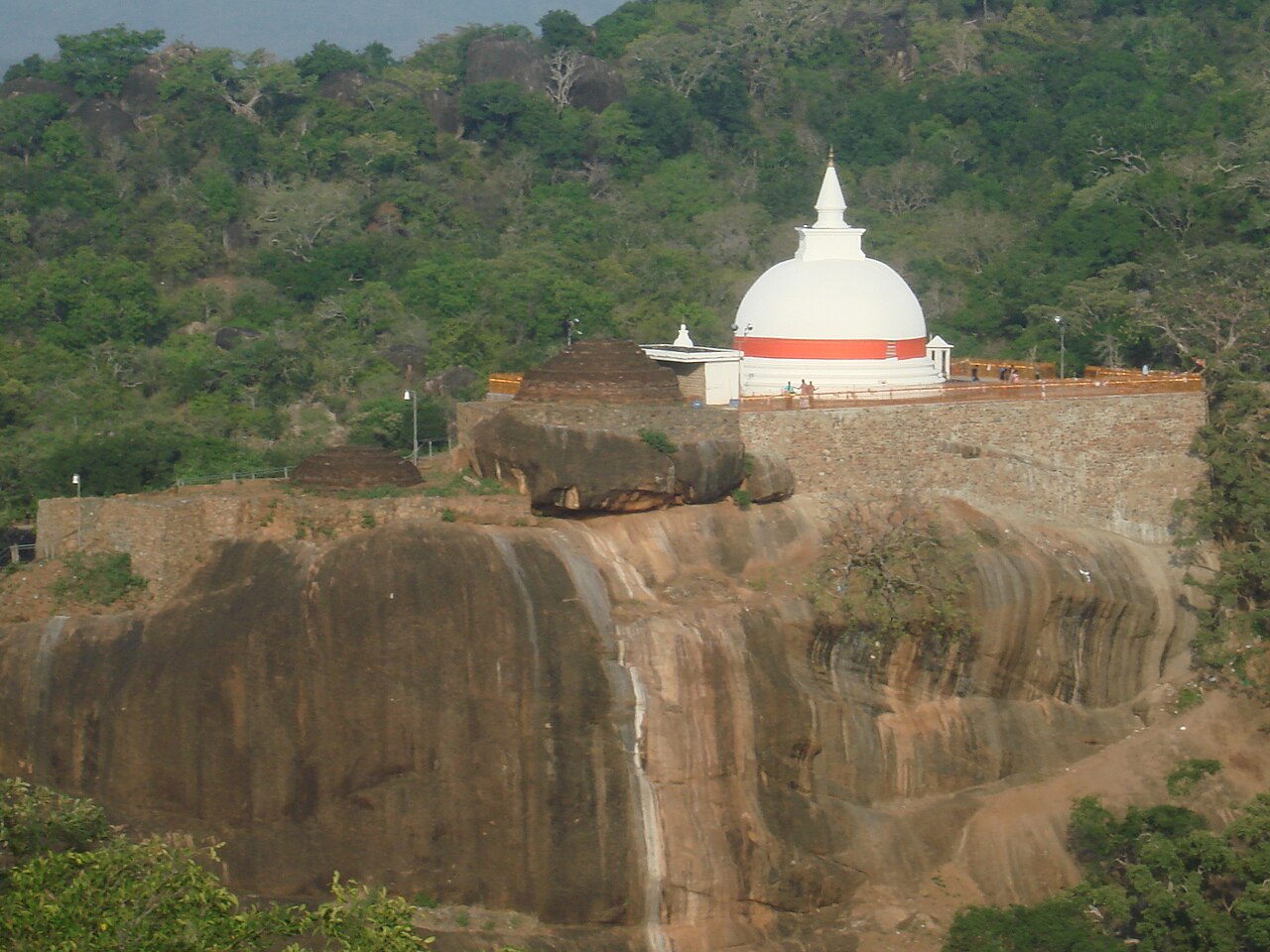
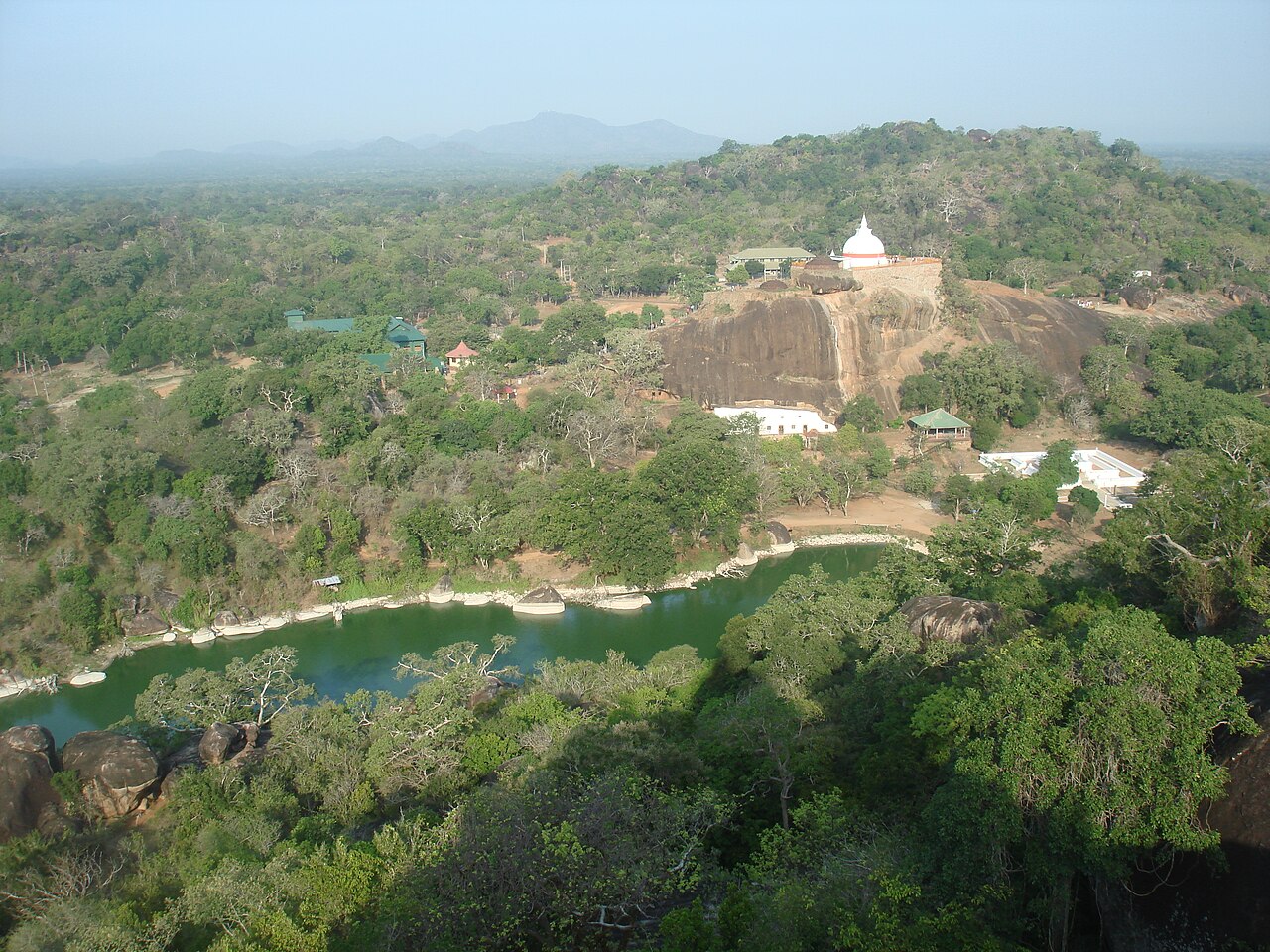
The same sun, wind, and monsoon that shaped these rocks also seasons the teak and mahogany we use. Every Waaeco piece carries a little of that southern weight.